

 See My Latest Article on HelloNation
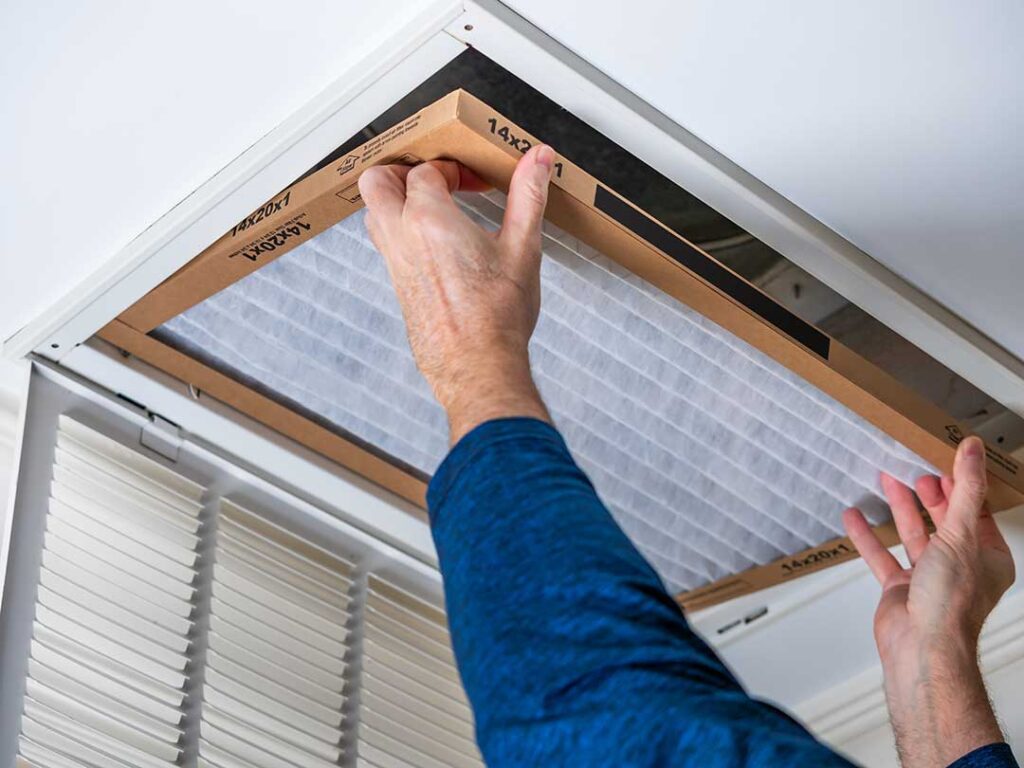
Indoor air quality affects comfort, sleep, allergies, respiratory health, and the condition of a home. In Fairport, NY, seasonal temperature swings mean homes may stay closed for long periods during winter and rely heavily on air conditioning during humid summer weather. Those patterns can allow moisture, dust, odors, and other pollutants to build up indoors.
Improving indoor air quality usually does not require a single major upgrade. The most reliable approach is to control pollution at its source, manage moisture, provide appropriate ventilation, and maintain the heating and cooling system.
What causes poor indoor air quality?
Poor indoor air quality usually comes from a combination of indoor pollutants, moisture, and insufficient air exchange. Common sources include cooking, cleaning products, tobacco smoke, candles, fireplaces, attached garages, pets, building materials, dust, pollen, and combustion appliances.
Homes can also develop air-quality problems when bathrooms, kitchens, basements, or crawl spaces stay damp. Water leaks, condensation around windows, and wet areas near HVAC equipment can encourage mold growth even when there has not been a major flood.
Older homes may have more air leakage around windows, doors, foundations, and ductwork. Newer or recently weatherized homes may be tighter, which can improve energy efficiency but also makes deliberate ventilation more important.
How can humidity be controlled?
Keeping indoor relative humidity between about 30% and 50% helps limit mold growth, condensation, and conditions that support dust mites. A small digital humidity gauge can show whether the air is too dry or too damp.
During Fairport’s cold heating season, indoor air may become uncomfortably dry. Signs include static electricity, dry skin, irritated nasal passages, and shrinking wood trim. A properly selected humidifier may help, but adding moisture without measuring humidity can create condensation and mold problems.
Summer humidity requires the opposite approach. Helpful steps include:
- Running bathroom and kitchen exhaust fans during and after use
- Using a dehumidifier in a damp basement
- Keeping gutters and downspouts directed away from the foundation
- Repairing plumbing leaks promptly
- Drying wet carpets, upholstery, and building materials quickly
- Checking for condensation around windows, ducts, and cold-water pipes
A basement that smells musty, feels clammy, or shows damp areas deserves attention even if no visible mold is present. Moisture control is more effective than repeatedly treating surface mold while leaving the underlying water problem unresolved.
Does ventilation improve indoor air quality?
Yes, ventilation can reduce the concentration of indoor pollutants by replacing stale indoor air with outdoor air. Exhaust fans that vent outdoors are especially useful because they remove moisture, cooking byproducts, and odors at the source.
Opening windows can help when outdoor air quality, temperature, and humidity are favorable. It may be less useful during very cold weather, humid conditions, high pollen periods, or outdoor smoke events. A window opened briefly can provide air exchange without leaving the home exposed for hours.
Homes with limited natural ventilation may benefit from mechanical ventilation equipment, such as a balanced fresh-air system or an energy-recovery ventilator. These systems exchange indoor and outdoor air while reducing some of the heating or cooling penalty associated with ventilation. They must be correctly sized and maintained to work properly.
A common misconception is that a tightly sealed home automatically has poor air quality. A tight building can have cleaner and more comfortable air when it includes controlled ventilation. The concern is not airtightness by itself but the absence of a reliable way to remove pollutants and excess moisture.
How does the HVAC system affect air quality?
The heating and cooling system influences air quality through filtration, air circulation, humidity control, and duct condition. It cannot remove every pollutant, but regular maintenance helps prevent the system from becoming a source of dust or moisture problems.
Replace the furnace or air-handler filter according to the filter’s instructions and household conditions. Homes with pets, renovations, smoke, or occupants with allergies may need more frequent replacement. A filter that is heavily loaded with dust can restrict airflow, while a filter that is too restrictive for the equipment may also create performance problems.
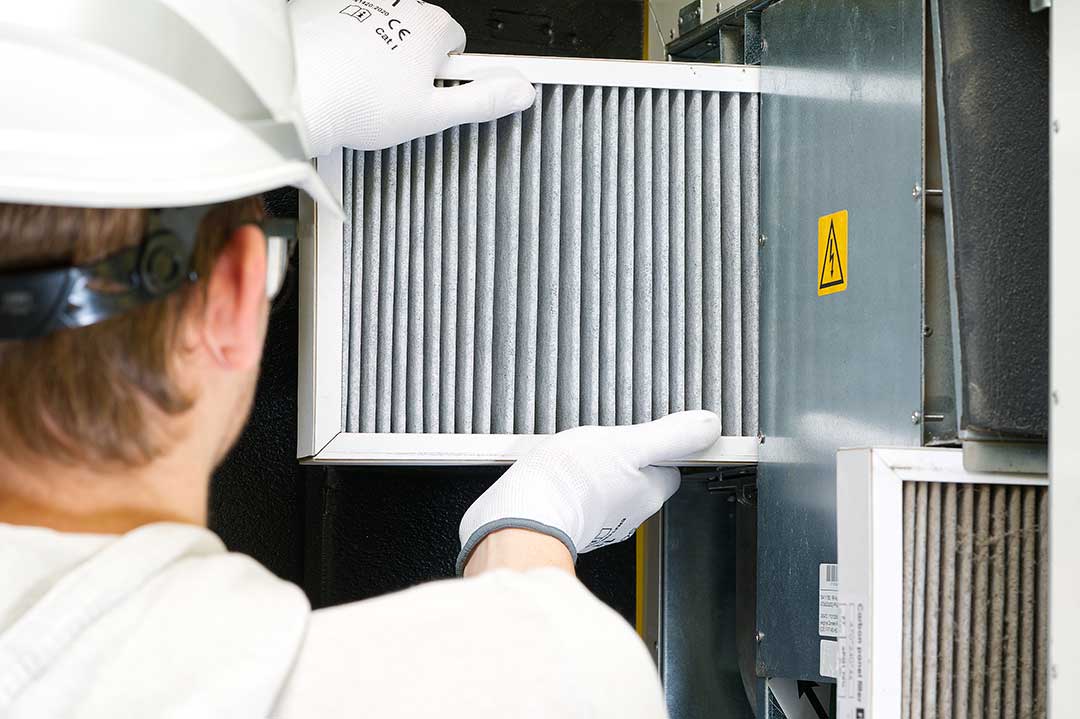
A higher-efficiency filter can reduce airborne particles, but the HVAC system must be able to move air through it without excessive resistance. Filter size, fit, airflow, and equipment compatibility matter more than choosing the highest rating available.
Keep supply and return grilles unobstructed by furniture, rugs, curtains, or storage items. Vacuuming around grilles can reduce the amount of dust drawn into the system. Duct cleaning is not automatically necessary in every home; it is more relevant when ducts contain substantial debris, visible mold, pest contamination, or material that is being released into occupied rooms.
Which household activities create the most particles?
Cooking can produce fine particles, especially when frying, broiling, grilling, or burning food. Use a range hood that exhausts outdoors when available, and leave it running for several minutes after cooking. If there is no effective hood, opening a nearby window briefly or using another exhaust fan may help.
Candles, incense, fireplaces, wood stoves, and tobacco products can also increase indoor particles. Avoid burning candles near combustible materials, and never use fuel-burning equipment indoors unless it is designed and approved for that purpose.
Cleaning products, paints, adhesives, air fresheners, and solvents can release irritating vapors. Use them as directed, provide ventilation, and store them in closed containers away from living areas. Fragrance does not mean air is cleaner; it may simply mask an odor while adding another chemical to the air.
During remodeling, isolate the work area when possible, use dust control methods, and ventilate according to product instructions. Older homes may contain lead-based paint or other hazardous materials that require special handling rather than ordinary sanding or sweeping.
Are air purifiers worth using?
Portable air cleaners can reduce airborne particles in a room, especially when the unit is properly sized and operated for the space. They are most useful for particles such as dust, pollen, and some smoke. A portable unit does not solve moisture, carbon monoxide, radon, chemical vapors, or a pollution source elsewhere in the building.
Place the cleaner in the room where people spend the most time, such as a bedroom or main living area. Keep its intake and discharge unobstructed, and replace or clean filters as directed.
Avoid relying on ozone-producing air cleaners. Ozone can irritate the lungs and is not a substitute for source control, filtration, or ventilation.
What safety checks should every household make?
Install carbon monoxide alarms near sleeping areas and on each level where required by applicable safety guidance. Carbon monoxide is colorless and odorless, so people cannot reliably detect it without an alarm. Fuel-burning appliances, fireplaces, attached garages, and blocked venting can all create risks.
Radon is another concern that cannot be identified by smell or appearance. Testing is the only way to determine whether a home has elevated levels. Basements and lower levels are common testing locations because radon enters from soil beneath and around a building.
Seek prompt attention for persistent symptoms such as headaches, dizziness, unusual fatigue, breathing irritation, or symptoms that improve after leaving the home. If a carbon monoxide alarm sounds, leave the building and follow emergency safety procedures rather than trying to locate the source first.
For most households, a practical indoor-air-quality routine includes measuring humidity, controlling leaks, using exhaust fans, changing HVAC filters, reducing combustion and fragrance sources, and testing for hazards that cannot be seen or smelled. These steps address the most common problems while helping the home remain comfortable through cold winters, damp summers, and changing seasonal conditions.