

 See My Latest Article on HelloNation
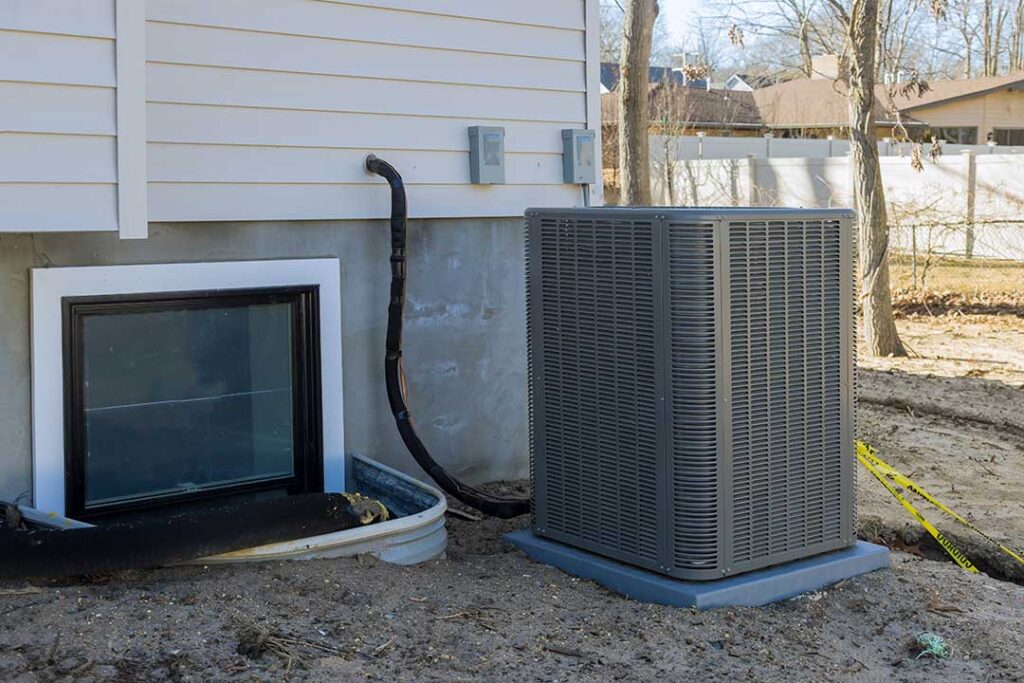
Choosing the right HVAC system size is less about square footage and more about how a home gains and loses heat. A properly sized system should maintain steady indoor temperatures, operate efficiently, control summer humidity, and avoid frequent starts and stops.
For households in Fairport, heating capacity deserves particular attention because winters can bring extended periods of low temperatures. Cooling capacity also matters during humid summer weather, especially in homes with older windows, finished upper floors, or limited air circulation.
What does HVAC “size” mean?
HVAC size refers to the amount of heating or cooling equipment can provide, not the physical dimensions of the furnace, air conditioner, boiler, or heat pump.
Heating systems are commonly described by input or output measured in British thermal units per hour, or BTUs. Air conditioners and heat pumps are often described in tons, with one ton representing about 12,000 BTUs per hour of cooling capacity.
A larger number is not automatically better. The system must match the home’s heating and cooling loads—the amount of heat the house loses in cold weather and gains during warm weather.
Why is an oversized HVAC system a problem?
An oversized system may reach the thermostat setting quickly, then shut off before operating long enough to provide even comfort. This pattern is called short cycling.
Short cycling can lead to:
- Uneven temperatures between rooms
- More frequent starts and stops
- Reduced efficiency
- Increased equipment wear
- Poorer humidity removal during summer
- Greater temperature swings
- Noisy operation from repeated cycling
An oversized air conditioner can make a room feel cool without removing enough moisture. That may leave the home feeling clammy even though the thermostat shows the desired temperature.
An oversized furnace may heat the main living area rapidly while bedrooms, finished attics, or rooms far from the equipment remain less comfortable.
What happens if the system is too small?
An undersized system may run for long periods and still struggle to reach the thermostat setting during extreme weather.
Possible signs include:
- The furnace runs continuously on the coldest days
- The air conditioner operates constantly during hot weather
- Some rooms remain uncomfortable
- Indoor temperatures fall noticeably overnight
- The system cannot recover quickly after a setback
- Utility costs rise without corresponding comfort
Long run times are not always a problem. Modern variable-capacity equipment may operate for extended periods by design. The concern is whether the system can maintain the home’s target temperature during the local design conditions used for sizing.
How is the correct size calculated?
The most reliable method is a room-by-room heating and cooling load calculation, commonly performed according to ACCA Manual J procedures.
This calculation considers much more than floor area. Relevant information includes:
- House dimensions and ceiling heights
- Insulation in walls, ceilings, floors, and foundations
- Window size, orientation, age, and glazing
- Air leakage around doors, windows, and penetrations
- Number of occupants
- Lighting and appliance heat
- Duct location and insulation
- Shading from trees or nearby structures
- Indoor temperature preferences
- Local outdoor design temperatures
The result estimates how much heating and cooling each part of the home requires. Equipment can then be selected to match those loads, while the ductwork and airflow are checked for compatibility.
A square-footage rule of thumb may produce a rough starting estimate, but it cannot account for the differences between a tightly sealed updated home, an older house with drafty windows, and a renovated property with a finished attic.
Does the old system determine the new system size?
No. The existing system is useful information, but it should not be treated as proof that the replacement must have the same capacity.
Older equipment may have been oversized from the beginning. The home may also have changed since the original installation through:
- Added insulation
- Replacement windows
- Air-sealing improvements
- Room additions
- Finished basements or attics
- Changes in household size
- Ductwork modifications
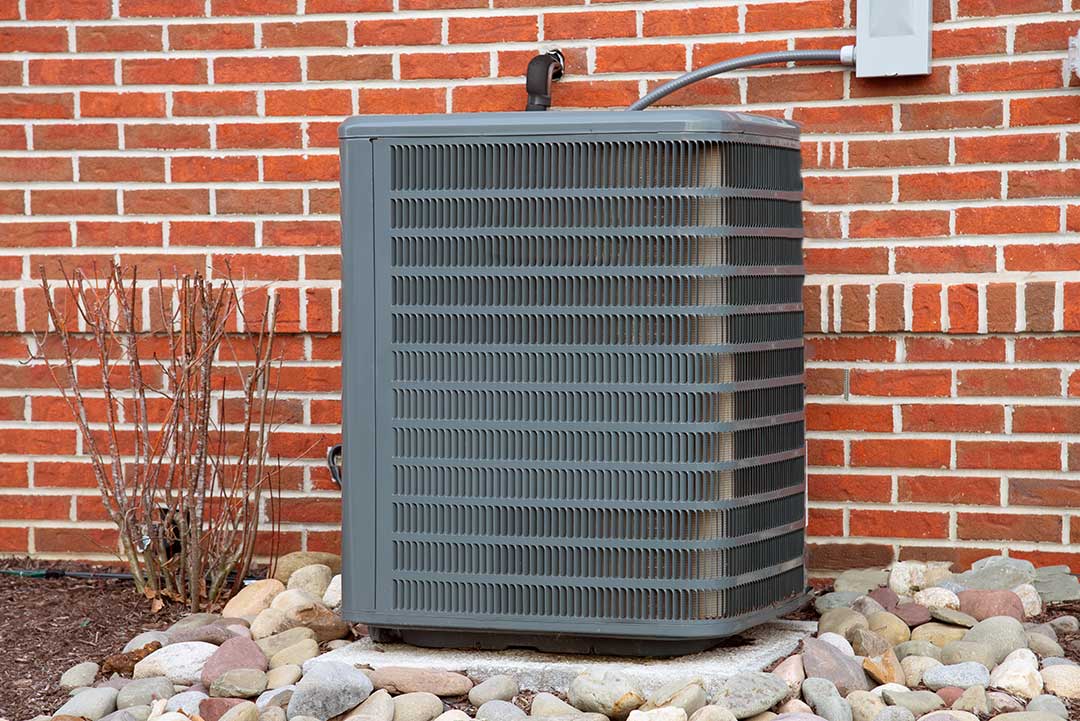
A newer, better-insulated home may need less capacity than the equipment it replaces. Conversely, an addition or poorly insulated renovation may increase the load in specific areas.
How does Fairport’s climate affect sizing?
Homes in Fairport need equipment that can manage both cold winters and warm, humid summers. Winter design conditions are used to determine whether a furnace, boiler, or heat pump can provide sufficient heat during unusually cold weather without simply sizing for the most extreme temperature ever recorded.
Cooling calculations must account for summer heat gain and moisture. Sun-exposed windows, upper floors, dark roofing, and poorly ventilated attics can increase cooling demand. At the same time, a system sized only for a rare peak may be too large for most of the cooling season.
This balance is especially relevant in older housing stock, where insulation levels and air leakage can vary considerably from one room to another.
Should heating and cooling equipment be the same size?
Not necessarily. Heating and cooling loads are calculated separately, and they often differ.
A home may require a relatively large amount of heating capacity in winter but a smaller amount of cooling capacity in summer. With a heat pump, the relationship becomes more complex because heating performance changes as outdoor temperatures fall. The system should be evaluated using its published performance at several temperatures, not just its nominal rating.
A supplemental heat source may be needed in some designs, while other homes may use equipment capable of operating at different capacity levels. The important question is whether the selected system can meet the calculated loads efficiently across the expected outdoor conditions.
What should homeowners ask about a sizing proposal?
A sound proposal should explain how the capacity was determined. Useful questions include:
- Was a room-by-room load calculation completed?
- Were insulation, windows, ductwork, and air leakage considered?
- What are the calculated heating and cooling loads?
- Does the equipment match the manufacturer’s approved operating range?
- Will the existing ductwork carry the required airflow?
- How will the system handle rooms that are currently too hot or too cold?
- If the home is being air-sealed or insulated, was that improvement included?
- For a heat pump, what capacity and efficiency are available at colder outdoor temperatures?
A homeowner does not need to perform the calculations personally, but the reasoning should be understandable. A single capacity number without supporting information makes it difficult to judge whether the equipment is appropriately sized.
Can comfort problems be caused by something other than system size?
Yes. Poor comfort does not automatically mean the HVAC system is too small.
Other common causes include:
- Leaky or undersized ducts
- Blocked or closed supply registers
- Dirty filters
- Inadequate return-air pathways
- Weak insulation around an attic or crawlspace
- Air leaks around windows and doors
- Thermostat placement near drafts or heat sources
- Poor zoning or airflow balancing
In some homes, correcting air distribution or envelope problems may improve comfort more than installing larger equipment. Increasing capacity without addressing these issues can leave the underlying problem unchanged.
What is the practical goal?
The right HVAC system is the smallest properly selected system that can meet the home’s calculated heating and cooling needs, maintain reasonable comfort during local design conditions, and operate with suitable airflow and controls.
For a home in Fairport, that means considering cold-weather heating performance, summer humidity, insulation, windows, ductwork, and the home’s actual layout. Capacity should be based on measured characteristics and recognized load calculations—not on floor area alone, the size of the old system, or the assumption that more capacity provides better comfort.