

 See My Latest Article on HelloNation
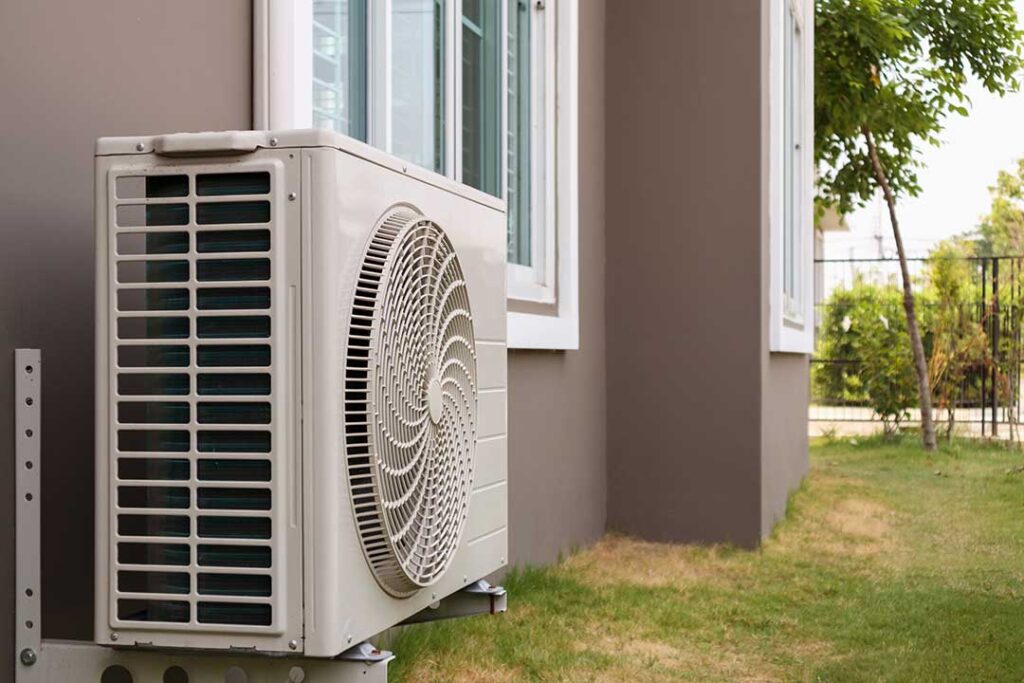
Summer cooling can account for a noticeable share of household electricity use, especially during humid stretches when air conditioners run for long periods. In Fairport, NY, where summer weather can shift between mild evenings, hot afternoons, and periods of higher humidity, the most effective approach is usually a combination of thermostat settings, airflow management, moisture control, and simple changes to how the home is used.
What temperature should a home be set to in summer?
A practical starting point is around menc up? 78°F when the home is occupied, with a higher setting when everyone is away. Comfort varies by household, so the goal is the warmest indoor temperature that still feels acceptable.
Changing the thermostat by several degrees for part of the day can reduce cooling demand. A programmable or smart thermostat can help maintain a schedule, but it should not be set so aggressively that the system must run continuously to catch up.
Useful habits include:
- Raise the setting before leaving for work or errands.
- Avoid setting the thermostat extremely low in an attempt to cool the home faster.
- Use the “hold” feature carefully so a temporary change does not cancel the regular schedule.
- Give the system enough time to remove both heat and moisture after the indoor temperature rises.
Lowering the thermostat from 78°F to 68°F does not make an air conditioner cool faster. It simply asks the system to run longer.
How do ceiling fans reduce cooling energy?
Ceiling fans make people feel cooler by increasing air movement across the skin. They do not lower the actual temperature of a room, so fans should be turned off in unoccupied spaces.
During summer, a ceiling fan should generally rotate counterclockwise when viewed from below. This pushes air downward and creates a cooling breeze. Portable fans can also help, particularly in bedrooms or rooms used for only a few hours.
Using fans may allow a thermostat setting several degrees higher without reducing comfort. The savings come from adjusting the thermostat, not from running the fan by itself.
Why does humidity matter in a Fairport home?
Humidity affects comfort as much as temperature. Moist air can make a room feel warmer, encourage longer air-conditioning cycles, and contribute to musty odors or moisture problems in basements and other lower-level areas.
A reasonable indoor relative humidity target is generally 30% to 50%, with levels kept below 60% when possible. A small humidity gauge can reveal whether a home feels uncomfortable because of temperature, moisture, or both.
To control summer humidity:
- Run bathroom exhaust fans during showers and for a short period afterward.
- Use the kitchen exhaust fan when boiling water or cooking foods that release steam.
- Keep basement doors closed if the basement is noticeably damp.
- Empty and clean dehumidifier reservoirs regularly.
- Avoid drying wet clothing indoors when outdoor conditions allow another option.
- Check for plumbing leaks, condensation, or damp materials.
A dehumidifier can make a space feel more comfortable, but it also produces heat and uses electricity. In some homes, operating it in a basement is useful; in others, reducing moisture at its source is the more efficient solution.
What maintenance helps an air conditioner use less energy?
Basic maintenance supports airflow and heat transfer. A dirty filter can restrict air movement, while blocked outdoor coils can make the system work harder to reject heat.
Before the cooling season and periodically during heavy use:
- Check the air filter and replace or clean it according to the equipment and filter instructions.
- Keep supply registers and return grilles open and unobstructed.
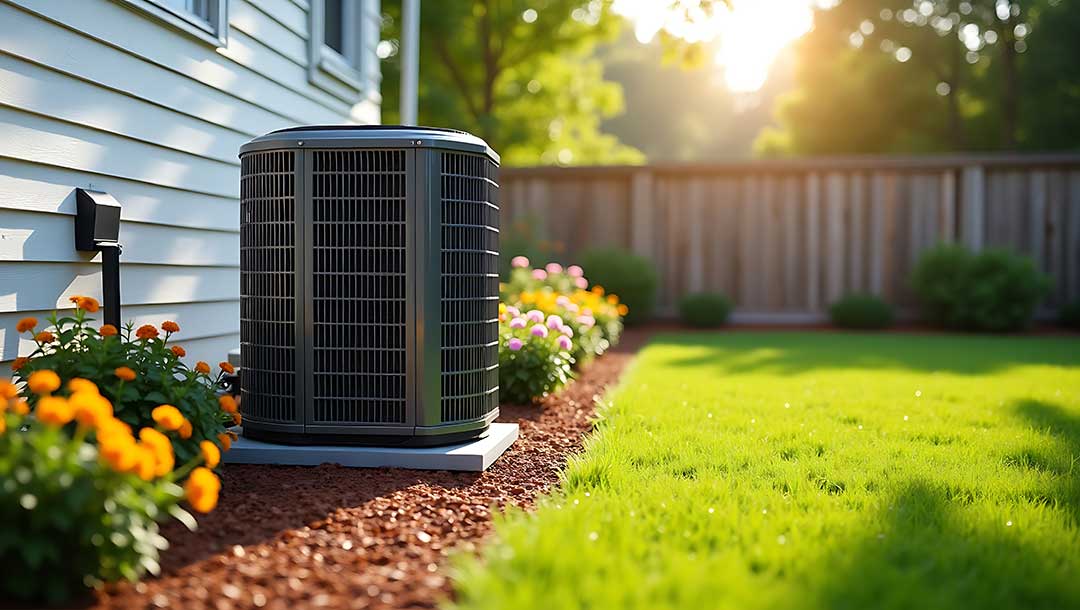
- Remove leaves, grass clippings, and debris from around the outdoor unit.
- Leave several feet of open space around the outdoor unit when practical.
- Make sure furniture, curtains, or rugs are not blocking return-air openings.
- Keep indoor and outdoor units free from stored items, toys, and garden materials.
Filters should not be replaced with a thicker or more restrictive type solely because it appears to capture more dust. The filter must be compatible with the system’s airflow capacity. Excessive restriction can reduce performance and may create comfort problems.
If an air conditioner repeatedly freezes, trips a breaker, produces unusual sounds, or cannot maintain a reasonable indoor temperature, continued operation may waste energy and risk equipment damage. Electrical work, refrigerant handling, and other hazardous repairs require appropriate training.
How can windows and sunlight affect cooling costs?
Solar heat through windows can raise indoor temperatures substantially, especially on the sunny side of the home. Window coverings are most useful before the sun heats the glass and interior surfaces.
During bright summer afternoons:
- Close blinds, shades, or curtains on sun-facing windows.
- Use light-colored or reflective coverings where appropriate.
- Keep windows closed while air conditioning is operating.
- Open windows during cooler mornings or evenings only when outdoor temperature and humidity are lower than indoor conditions.
- Avoid leaving exterior doors open for extended periods.
Some older homes have rooms that heat up much faster than the rest of the house. Closing blinds in those rooms and limiting unnecessary heat sources can reduce the demand placed on the cooling system.
Which household activities add heat indoors?
Many everyday activities release heat or moisture. Cooking on a range, using an oven, running a clothes dryer, and taking long hot showers can increase indoor cooling demand.
To reduce that added load:
- Use an outdoor cooking method during the hottest part of the day when practical.
- Run the dishwasher and clothes dryer during cooler periods.
- Use bathroom and kitchen exhaust fans to remove moisture.
- Turn off incandescent lights that are not needed.
- Unplug or switch off electronics that generate heat in rooms that are already warm.
- Avoid placing lamps, televisions, or other heat-producing devices near the thermostat.
These changes are especially helpful in smaller homes, upper floors, and rooms with limited airflow.
Does attic or duct insulation help with summer cooling?
Insulation and air sealing can reduce heat entering the living space. This is particularly relevant in homes with unfinished or poorly insulated attics, knee walls, attached garages, or ductwork passing through hot areas.
Warm air can enter through gaps around attic hatches, plumbing penetrations, recessed lights, and wiring openings. Duct leaks can also waste cooled air before it reaches the rooms that need it.
Signs that a home may benefit from closer evaluation include:
- One room is consistently warmer than others.
- Upper-floor bedrooms become uncomfortable even when the thermostat setting seems reasonable.
- Cooling runs for long periods with limited improvement.
- Some registers have weak airflow.
- The attic becomes extremely hot and the ceiling below feels warm.
Insulation work should preserve required ventilation and maintain safe clearances around electrical equipment, chimneys, and other heat-producing components.
What is the most efficient way to cool during a mild evening?
If outdoor air is cooler and less humid than indoor air, natural ventilation may provide comfortable cooling. Open windows on opposite sides of the home when safe, allowing air to move through the space. Window fans can assist with exhaust or intake, but they should be used thoughtfully during periods of poor outdoor air quality, high pollen, or elevated humidity.
Once outdoor conditions become warmer or more humid than indoors, close the windows and resume mechanical cooling. Leaving windows open while the air conditioner runs defeats much of the system’s work and can introduce additional moisture.
Which improvements should be prioritized first?
For most households, the lowest-cost steps are thermostat scheduling, sun control, filter maintenance, unobstructed airflow, and appropriate fan use. The next priorities are moisture control, air sealing, and insulation improvements where clear comfort problems exist.
Equipment replacement is not automatically the first answer. A properly maintained existing system may perform adequately when the home’s heat gain, airflow, and humidity problems are addressed. If replacement is eventually necessary, correct sizing matters because an oversized air conditioner may cool quickly without removing enough moisture, while an undersized system may run excessively during the hottest weather.