

 See My Latest Article on HelloNation
Why early attention matters
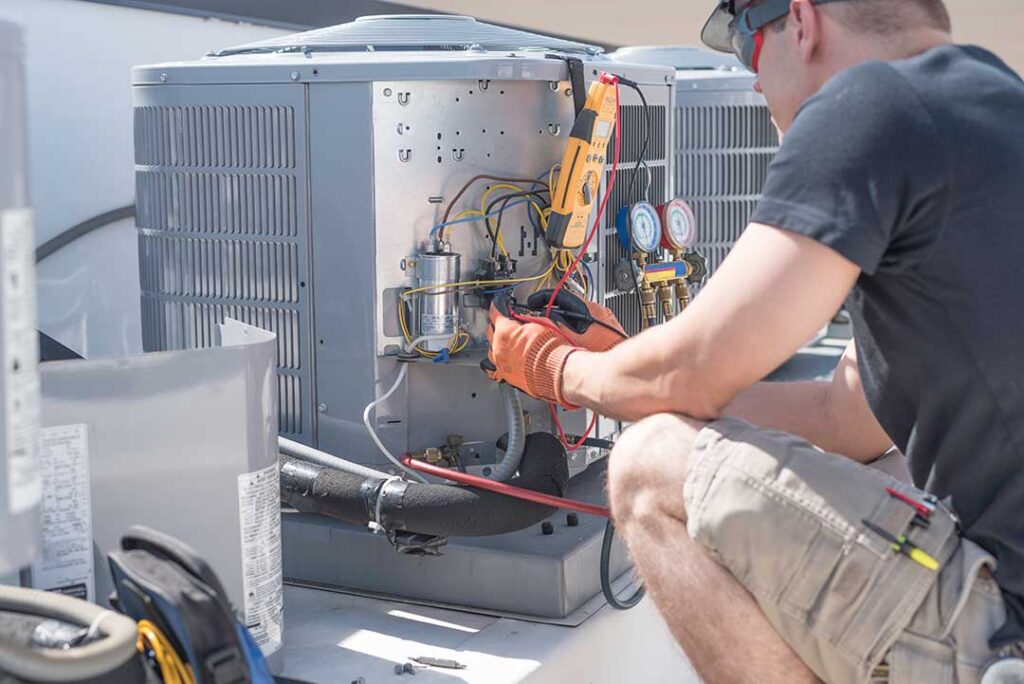
Air conditioners often show small warning signs before they stop working. A system that runs longer than usual, struggles to cool certain rooms, or produces unusual sounds may need cleaning, adjustment, or repair before the problem becomes more serious.
In Fairport, NY, air conditioning systems typically sit unused through a long cold season and then face sudden demand during warm, humid summer weather. That transition can reveal issues that were not obvious during the previous cooling season.
Maintenance does not always mean that a major component has failed. It may involve a clogged filter, restricted airflow, dirty outdoor coil, blocked condensate drain, loose electrical connection, or low refrigerant caused by a leak.
Is the air conditioner taking longer to cool the house?
Longer cooling cycles are one of the clearest signs that an air conditioner may need attention. A properly operating system should eventually reach the thermostat setting without running continuously during ordinary summer conditions.
Extended operation can result from:
- A dirty air filter
- Blocked supply or return vents
- Dust buildup on the indoor or outdoor coil
- Low refrigerant
- A failing blower motor or capacitor
- Poor airflow through ductwork
- A thermostat that is inaccurate or poorly positioned
A long cycle on an unusually hot afternoon is not automatically a problem. The concern is a noticeable change from the system’s normal behavior, especially if the home still feels warm after hours of operation.
Why are some rooms comfortable while others stay warm?
Uneven temperatures may indicate an airflow or distribution problem rather than a thermostat problem. Bedrooms, finished lower levels, additions, and rooms far from the indoor equipment are often the first places where weak airflow becomes noticeable.
Start with simple checks. Make sure supply registers are open and not covered by furniture or rugs. Check whether return grilles are blocked by curtains, boxes, or dust. A dirty filter can reduce airflow throughout the home.
If the difference between rooms remains substantial, the cause may involve duct leakage, an undersized or obstructed return, an aging blower, or an issue with the system’s refrigerant or coil. These conditions can make the equipment run longer and increase wear.
What does unusual noise from an air conditioner mean?
New or worsening sounds should not be dismissed as normal operating noise. Different sounds can point to different problems.
- A rattling sound may come from a loose panel, fastener, or component.
- Grinding or screeching can indicate motor or bearing wear.
- A buzzing sound may be related to an electrical component.
- Hissing can suggest escaping air or refrigerant, although sound alone cannot confirm the cause.
- Repeated clicking during startup may point to a relay, capacitor, or control issue.
- A loud vibrating outdoor unit may have debris, an unstable base, or a mechanical problem.
Turn the system off if there is a burning smell, smoke, sparking, or an unusually loud mechanical noise. Electrical and refrigerant-related problems require specialized testing and should not be investigated by opening sealed panels or handling wiring.
Why is there water near the indoor equipment?
Water around an indoor air conditioner, furnace cabinet, or condensate drain is a sign that deserves prompt attention. During normal cooling, the indoor coil removes moisture from the air. That water should flow safely through a condensate pan and drain line.
A puddle may result from:
- A clogged condensate drain
- A cracked or rusted drain pan
- A frozen evaporator coil that later melts
- A condensate pump that is not operating
- Improper drainage or a disconnected line
Water damage can spread to ceilings, flooring, insulation, and nearby electrical components. If the system is leaking indoors, turn off cooling and protect surrounding materials while the cause is evaluated. Do not pour chemical drain cleaners into an air conditioner drain line, since they may damage components or create a hazardous reaction.
What does ice on the outdoor line or indoor coil indicate?
Ice is not a sign that an air conditioner is cooling especially well. Frost or ice on the refrigerant line, outdoor unit, or visible indoor coil usually indicates that the evaporator is becoming too cold.
Common causes include restricted airflow, a dirty filter, a dirty coil, a blower problem, or low refrigerant. Continuing to run the system while it is frozen can cause poor cooling and place additional stress on the compressor.
Turn the cooling system off and allow the ice to melt naturally. Do not chip at the ice or use a heat source to remove it. Once the system is thawed, a clean filter and unobstructed vents are reasonable homeowner checks, but recurring ice requires further diagnosis.
Is rising humidity inside the house a maintenance warning?
Yes. An air conditioner should do more than lower temperature; it should also remove a meaningful amount of moisture from indoor air. If the house feels damp even though the thermostat reaches its setting, the system may be short-cycling, underperforming, or unable to move air across the coil properly.
Indoor humidity can also rise when:
- The system is oversized for the home
- The fan is set to run continuously
- The condensate drain is restricted
- Doors or windows are left open during humid weather
- Ductwork passes through hot or damp areas
- The cooling coil is dirty
A musty smell may develop when moisture remains in a drain pan, coil area, or duct section. Persistent odors should not be covered with fragrances, especially if occupants notice respiratory irritation.
What changes in the electric bill suggest an AC problem?
A sudden increase in summer electricity use can be an early warning sign, particularly when weather and household habits have not changed substantially. A system with restricted airflow, dirty coils, low refrigerant, or a struggling motor may operate longer to produce the same amount of cooling.
Compare usage over similar weather periods rather than comparing one month with another. Utility prices, thermostat settings, vacations, additions to the household, and portable equipment can all affect the bill.
Higher energy use alone does not identify the fault, but it becomes more meaningful when paired with longer run times, weak airflow, uneven temperatures, or unusual sounds.
Which maintenance tasks can homeowners safely handle?
Several basic steps are appropriate for most homeowners:
- Replace or clean the air filter according to its condition and the manufacturer’s instructions.
- Keep indoor return grilles and supply registers unobstructed.
- Remove leaves, grass, and loose debris from around the outdoor unit.
- Maintain clear space around the outdoor coil so air can move freely.
- Check that the thermostat has suitable batteries and a reasonable setting.
- Look for standing water, visible damage, or unusual odors without opening sealed equipment.
Avoid adding refrigerant, opening electrical compartments, bending coil fins aggressively, or spraying cleaners into areas that are difficult to access. Refrigerant handling and electrical testing involve safety risks and require appropriate equipment.
When should an air conditioner be checked before summer?
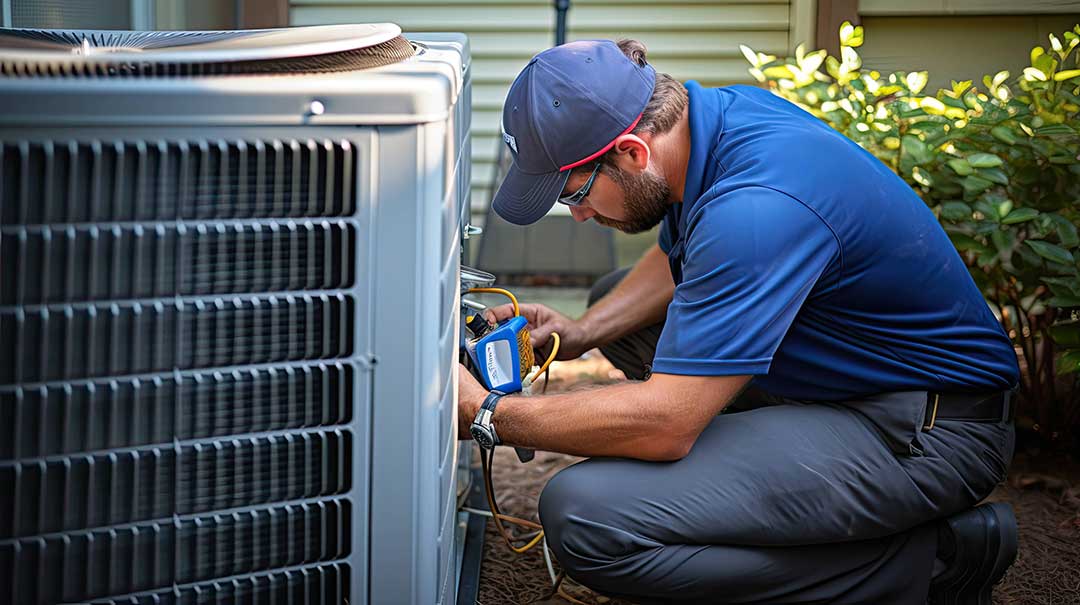
The best time is before the first sustained stretch of warm weather, rather than during the first heat wave. A spring check can reveal a weak capacitor, dirty coil, restricted drain, worn belt, damaged wiring, or a refrigerant problem before the system is needed continuously.
For homes in Fairport, seasonal maintenance is especially useful because equipment may remain idle for many months. Outdoor units can collect leaves and pollen, while winter conditions may expose cabinet damage or affect surrounding drainage.
Immediate attention is warranted for burning smells, smoke, exposed wiring, repeated circuit-breaker trips, refrigerant-like hissing, indoor water leakage, or a system that cannot maintain a safe indoor temperature. These conditions go beyond routine maintenance and may involve electrical, mechanical, or water-damage hazards.